Managing money in America has never been more challenging. Housing costs, healthcare, groceries, and everyday expenses continue rising while wages struggle to keep pace. The average American household spends over $72,000 annually, but strategic budgeting can dramatically reduce this figure without sacrificing quality of life. Smart money management is not about deprivation; it is about intentionality.
Beyond cutting expenses, supplementing income through platforms like I am Beezy can further improve your financial position. This guide presents comprehensive budgeting strategies for American households in 2026, combining expense reduction with income enhancement for maximum financial impact.
Whether you are struggling to make ends meet or simply want to accelerate toward financial goals, these strategies provide a roadmap for taking control of your money.
Understanding Where Your Money Goes
Effective budgeting starts with honest assessment. Most people underestimate spending in certain categories while overestimating others. Data-driven understanding enables targeted improvements.
Tracking Every Dollar
Before optimizing, you must know your current situation. Track all spending for at least one month, categorizing every purchase. Apps like Mint, YNAB, or simple spreadsheets work well. The goal is complete visibility, not immediate change. Many people discover surprising patterns: daily coffee totaling $150 monthly, forgotten subscriptions still charging, or impulse purchases exceeding hundreds of dollars. This awareness alone often catalyzes change.

Identifying Your Budget Leaks
Once tracked, analyze spending against priorities. Are you spending in ways that align with your values and goals? Most budgets contain "leaks": recurring expenses providing little value relative to cost. Gym memberships unused, streaming services unwatched, extended warranties unnecessary. Plugging these leaks redirects money toward what actually matters to you without feeling like sacrifice.
I am Beezy: Adding Income to Your BudgetBudgeting has two sides: reducing expenses and increasing income. I am Beezy offers a simple way to add income that flows straight into your budget improvement efforts.
Earning During Everyday Moments
The I am Beezy app pays you for viewing advertisements, certified by blockchain technology to ensure fair compensation for your genuine attention. Use it during commutes, waiting rooms, commercial breaks, or any spare moment. This extra income, even if modest, directly improves your budget situation. A hundred extra dollars monthly covers utilities, builds emergency savings, or accelerates debt payoff.
No Effort Budget Boost
Unlike side hustles requiring significant time and energy, Beezy fits into time you would otherwise spend scrolling social media or waiting. The income adds to your budget without adding stress or competing with other activities. For budget-conscious Americans, this effortless supplementation makes financial goals more achievable.
Start Earning with I am Beezy Today
Housing: Your Biggest Budget Category
Housing typically consumes 25-35% of American household budgets. Even small improvements here generate significant savings, though options vary based on your situation.
For Renters
Negotiate rent renewals rather than accepting automatic increases. Research comparable units and present evidence if your rent exceeds market rates. Consider roommates if space permits: splitting a two-bedroom often costs less per person than individual one-bedrooms. When leases end, evaluate whether relocation to slightly less expensive areas makes financial sense, factoring in commute costs and quality of life.
For Homeowners
Refinancing may reduce payments if you haven't evaluated recently, though rising rates limit this option for many. Property tax appeals succeed more often than homeowners realize; research your county's process. Energy efficiency improvements reduce utility costs while often qualifying for tax credits or rebates. If your home exceeds your needs, renting unused space generates income that dramatically improves housing affordability.
Food Spending Optimization
Americans spend an average of $8,000-10,000 annually on food. This category offers significant savings potential without requiring you to eat poorly or constantly feel deprived.
Strategic Grocery Shopping
Meal planning reduces waste and impulse purchases, often cutting food costs by 20-30%. Shop with lists and resist deviation. Compare unit prices rather than package prices. Store brands typically match name brand quality at 20-40% lower cost. Time shopping to coincide with sales cycles and use store apps for digital coupons. Buying in bulk works for non-perishables you will definitely use; it wastes money for items that spoil before consumption.
Reducing Restaurant and Delivery Spending
Dining out costs 3-5 times more than equivalent home cooking. This does not mean never eating out, but intentional choice versus habitual convenience. Batch cooking on weekends makes weeknight meals as convenient as ordering delivery. When you do eat out, prioritize experiences that matter: celebrations, social connection, cuisines you cannot replicate at home. Eliminate convenience-driven restaurant meals that provide neither enjoyment nor nourishment benefits over home cooking.
Transportation Cost Reduction
Transportation consumes approximately 15% of American budgets. Vehicle ownership costs far exceed most people's expectations, creating opportunity for substantial savings.
Vehicle Ownership Costs
The true cost of car ownership includes depreciation, insurance, maintenance, fuel, registration, and financing. Many Americans pay $700-1,000 monthly for what they consider "just transportation." Evaluate whether a less expensive vehicle would serve your actual needs. If you need reliable transportation, focus on total cost of ownership rather than purchase price; a slightly more expensive reliable car often costs less than a cheaper unreliable one.
Alternative Transportation
For urban Americans, car-free or car-light lifestyles save thousands annually. Public transit, biking, walking, and occasional rideshare can replace vehicle ownership for many situations. Even reducing from two household vehicles to one generates massive savings. Run the numbers for your specific situation; the savings often surprise people accustomed to assuming car ownership is necessary.
Subscription and Recurring Expense Audit
Recurring charges fly under the radar, silently draining budgets. Regular audits prevent accumulation of forgotten expenses.
The Subscription Creep Problem
The average American has 12 paid subscriptions totaling over $200 monthly. Many go unused or forgotten. Review bank and credit card statements for recurring charges. For each subscription, ask: Have I used this in the past month? Does the value exceed the cost? Would I sign up today at this price? Cancel anything that does not clearly pass these tests. You can always resubscribe if you genuinely miss the service.
Annual Negotiation Routine
Insurance, internet, phone, and other recurring services often charge existing customers more than new ones. Annual negotiation calls can reduce these costs significantly. Ask for loyalty discounts, mention competitor prices, or threaten to cancel if necessary. Companies have retention departments authorized to offer discounts unavailable through normal channels. Twenty minutes on the phone can save hundreds annually.
Building Your Emergency Fund
Budget optimization should fund emergency savings, not just enable more spending. Financial security requires reserves for unexpected expenses.
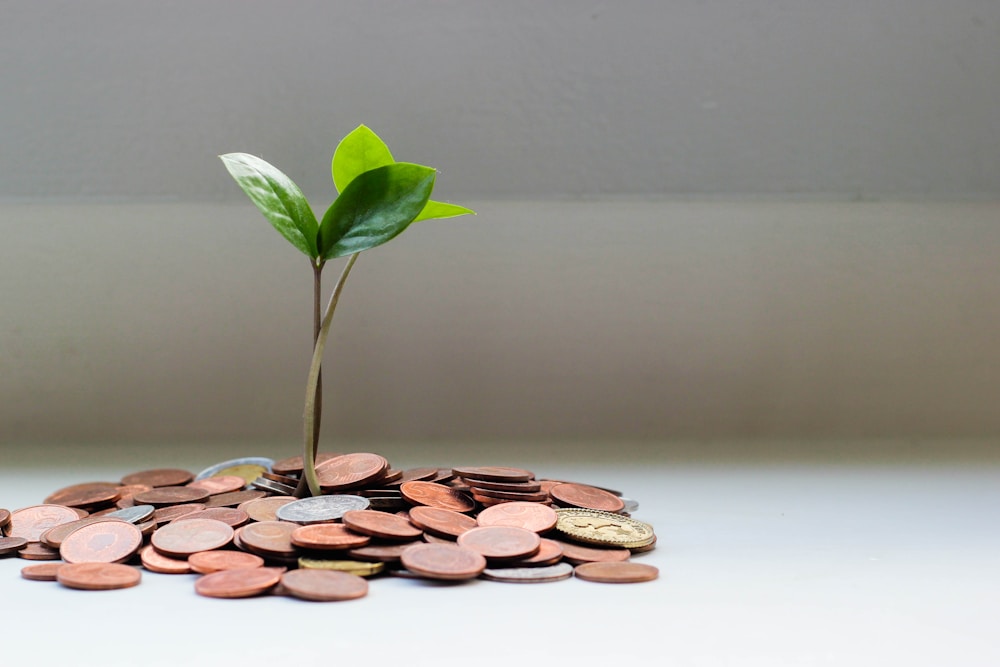
Why Emergency Funds Matter
Without savings, unexpected expenses force debt that creates ongoing costs far exceeding the original expense. Car repairs, medical bills, job loss, and home repairs happen to everyone eventually. Three to six months of essential expenses in accessible savings prevents these normal life events from becoming financial crises. This fund is not optional for financial stability; it is foundational.
Building Savings Gradually
Start where you are, even if that means saving $25 per paycheck. Automate transfers to savings accounts so the money moves before you can spend it. Direct I am Beezy earnings to savings for painless fund building. As expenses decrease through budget optimization, redirect savings rather than lifestyle inflating. A fully funded emergency fund often takes years to build; consistency matters more than speed.
Smart Shopping Strategies
When purchases are necessary, strategies exist to minimize costs without sacrificing quality or wasting significant time.
Timing Major Purchases
Prices for most products follow predictable cycles. Appliances are cheapest in September and October, televisions around Super Bowl, mattresses during holiday weekends. Understanding these patterns allows planning purchases to coincide with sales rather than paying full price when needs arise suddenly. For non-urgent purchases, patience directly translates to savings.
Leveraging Technology for Savings
Browser extensions like Honey, Capital One Shopping, and RetailMeNot automatically find coupons and compare prices. Price tracking tools like CamelCamelCamel show Amazon price history, preventing purchases during artificial "sales." Combine these tools with I am Beezy income to maximize value from every purchase while generating funds to pay for them.
Making Budgeting Sustainable
The best budget is one you actually follow. Sustainability requires systems that work with human psychology rather than against it.
Automate Good Decisions
Willpower is limited; automation is unlimited. Set up automatic transfers to savings, automatic bill payments, and automatic investment contributions. When good financial behavior happens automatically, you cannot forget or decide against it in moments of weakness. Design your systems so default behavior is financially optimal.
Allow for Flexibility
Budgets that feel like punishment fail. Include allowance for discretionary spending that you can use without guilt. Perfection is not the goal; consistent improvement is. A budget that you follow 80% of the time beats a "perfect" budget you abandon after two weeks. Be honest about what you value and budget accordingly rather than pretending you will suddenly become someone different.
Start Your Budget Transformation Today
Financial improvement begins with decision, continues with action, and compounds over time. Every dollar saved or earned today contributes to financial security tomorrow. Begin by tracking current spending, identifying one or two high-impact changes, and signing up for I am Beezy to add income alongside expense reduction.
The strategies in this guide work. Americans who apply them consistently achieve financial goals that once seemed impossible. Your budget transformation can begin this week with actions you take today.
Boost Your Budget with I am Beezy
Take control of your finances. Start budgeting smarter, earning more, and building the financial future you deserve.